Private label knitwear
Private label knitwear manufacturing
Develop a knitwear project from a tech pack, physical sample, photo or initial idea, with manufacturing support from sampling through finishing, packing and shipping.
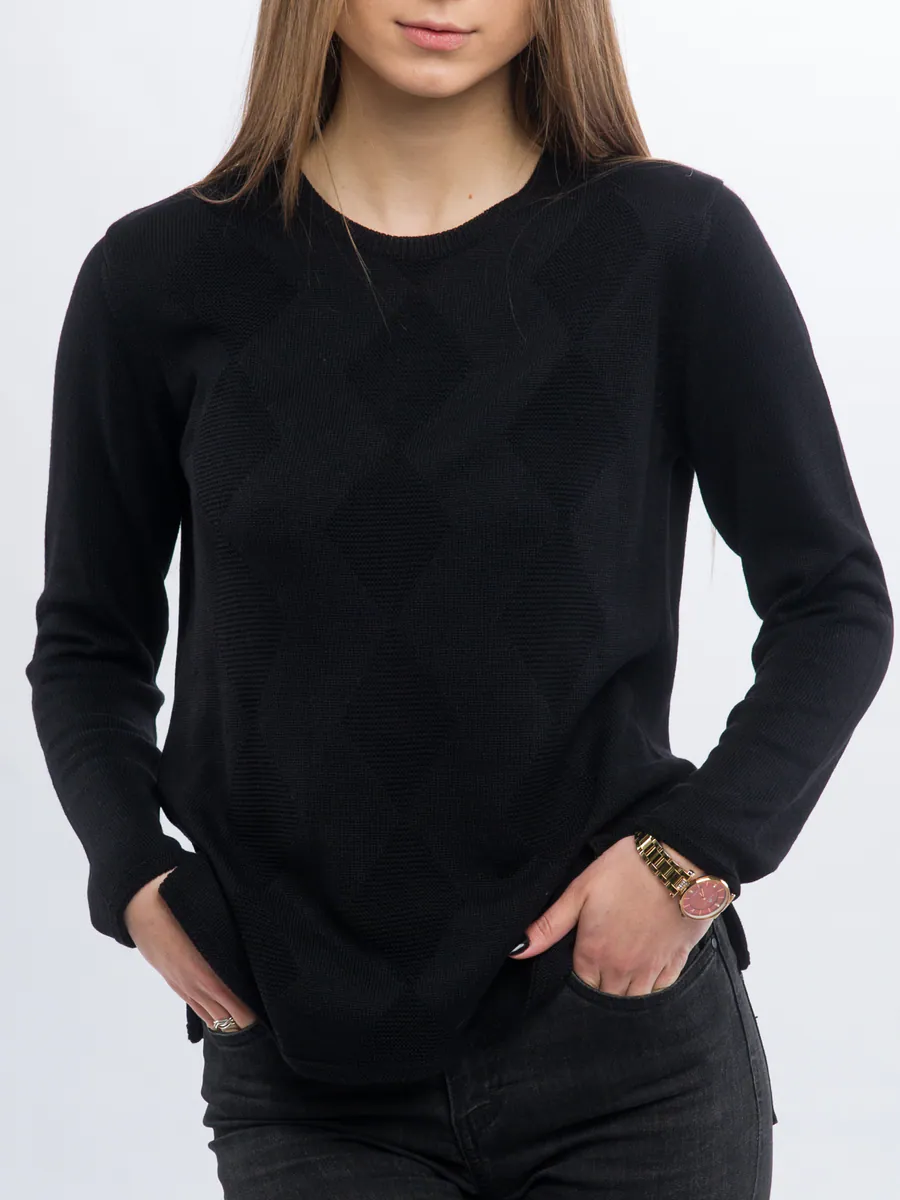
BELA TREND works with fashion brands and product teams that need a manufacturing partner in Bulgaria for women’s and men’s knitwear, with women’s collections as the primary focus.
4 starting points tech pack, sample, photo or idea
MOQ 100 pcs per model and colour
2–4 weeks typical first-sample timing
Under one roof production through packing and shipping
Project fit
Built for brand and product-team briefs
Private-label projects do not need to arrive in one fixed format. A detailed technical pack can move directly into a structured development discussion, while an existing physical sample, a product photograph or an initial idea can provide the starting point for defining the garment. The goal is to establish what must be developed and confirmed before bulk production, rather than forcing every project into the same template.
We support women’s knitwear as the main collection focus and can also produce men’s knitwear. Project suitability is reviewed against the garment, quantity, material direction, gauge and timing.
Development workflow
From first brief to production-ready specification
01 — Brief review
We review the product type, expected quantity, timing and the information already available, whether that is a tech pack, sample, photo or idea.
02 — Yarn and development
Support can include yarn selection and sourcing, sampling and grading. Material direction is reviewed against the individual product brief.
03 — First sample
A first sample typically takes 2–4 weeks, depending on the brief and yarn availability. This is a typical development range rather than a guaranteed delivery promise.
04 — Bulk production
Once the project specification is ready for production, the manufacturing sequence can move through knitting, assembly, finishing, measurement and quality control.
Branding and finishing
Support beyond knitting
Depending on the brief, support can include labels, care labels, hangtags, packing and delivery logistics. These elements are coordinated with the garment requirements so they sit within the same production project rather than as a separate retail-service package.
The in-house production flow covers knitting → linking/sewing → washing → drying → ironing/pressing → measuring and quality control → labelling → packing → shipping.
Sample development and bulk production are treated as separate project stages. The sample phase establishes the garment direction and the information needed for production; bulk work follows the production-ready project specification. This keeps the 2–4 week first-sample range distinct from any later bulk-production schedule, which is reviewed against the confirmed style, quantity, yarn availability and factory plan.
Materials and order framework
Material options matched to the project
Current B2B material families include merino, wool and lambswool, cotton, and wool/acrylic blends. Yarn availability and suitability are reviewed for the individual garment rather than presented as a fixed retail assortment.
The standard minimum order is 100 pieces per model and colour. Project-specific yarn or construction requirements can still affect feasibility, so quantity and material should be reviewed together at the start of the enquiry.
Private label FAQ
Common project questions
What can I send as a starting point?
A tech pack, physical sample, photo or product idea can be used to start the development discussion. The available starting information is reviewed before the development route is defined.
What is the standard MOQ?
The standard MOQ is 100 pieces per model and colour.
How long does a first sample usually take?
Typically 2–4 weeks, depending on the brief and yarn availability.
What information is useful for a first review?
Product type, estimated quantity, timing, material direction and the information already available are enough to begin a feasibility review.
Ready to discuss a private-label knitwear project?
Share the garment type, estimated quantity, timing and your current project information so we can review manufacturing fit.